
How to Care for Wooden Furniture: A Monthly and Seasonal Guide
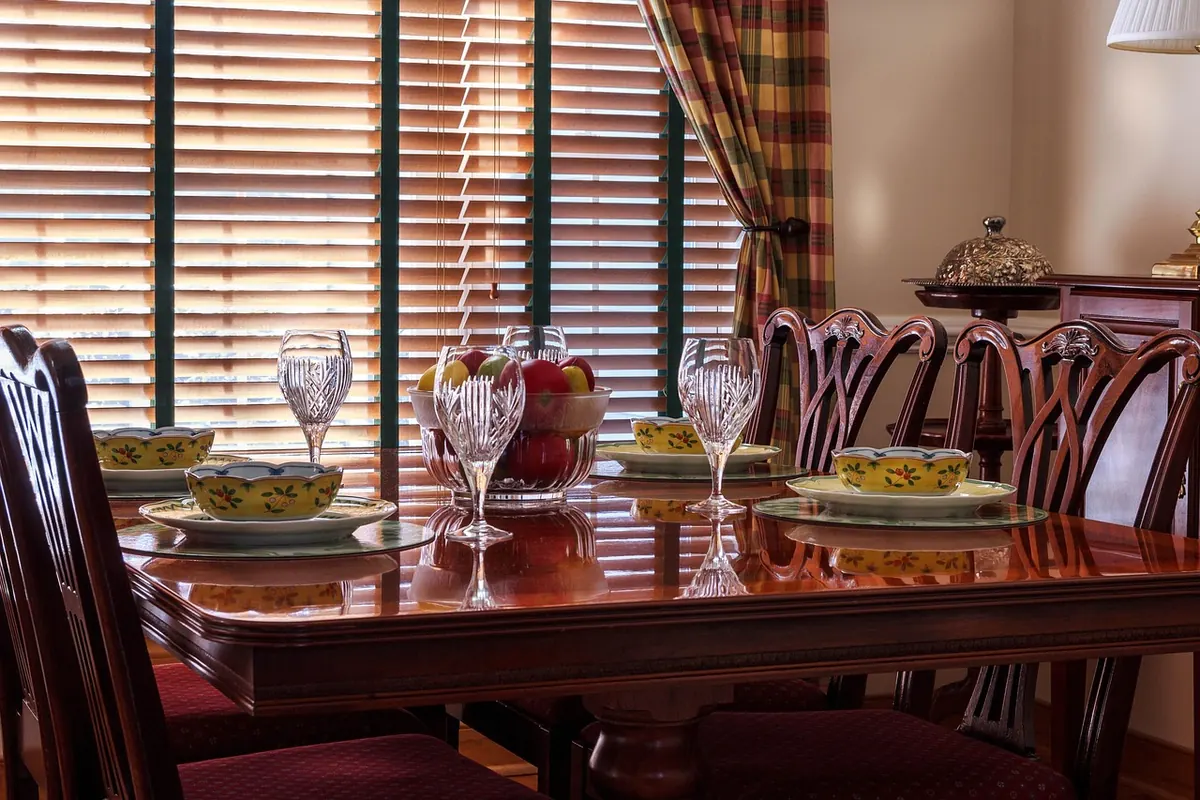
Somewhere in your home there is a wooden piece you would hate to lose. Maybe it is a dining table with knife scars from years of holiday dinners, a dresser that came from your parents' house, or a coffee table you saved for. Wood is forgiving, but it is not inert. It swells in humid air, shrinks in dry heat, and dulls when dust is left to settle and grind under a moving lamp base. Caring for it has less to do with buying the right product than with keeping a rhythm: a little each week, a bit more each month, and a few adjustments when the seasons change.
Know What You Are Working With
Before you reach for a cloth, figure out what you actually have. Solid oak, walnut, or cherry can handle a damp wipe and occasional polishing. Veneer — a thin layer of real wood over plywood or particleboard — looks nearly identical but hates standing water, because moisture finds the seams and lifts the edges. The finish matters too. A lacquer or polyurethane topcoat is a sealed surface you simply clean. An oiled or waxed finish is more open, drinks up product, and usually wants a fresh coat of oil or wax a couple of times a year.
If you are unsure, test in a hidden spot: the underside of a tabletop, the inside of a drawer front, the back of a headboard. One drop of water will tell you a lot. If it beads up, the finish is sealed. If it darkens the wood and soaks in, treat the piece more gently.
Weekly: Dust First, Always
Dust is abrasive. Every time a cloth or hand drags grit across a finish, it leaves fine scratches that dull the surface over time. So the single most useful habit is also the simplest: dust before you clean anything else, and dust the whole piece, including the sides, legs, and stretchers nobody sees.
Use a microfiber cloth, slightly dampened and wrung out until it is barely cool to the touch. Work from the top down so debris falls onto surfaces you have not wiped yet. For carved details, a soft-bristled brush or a lamb's wool duster reaches into grooves that a cloth skips. Skip feather dusters; they mostly redistribute dust around the room. Never spray cleaner directly onto wood — spray the cloth, then wipe. And if you use a wood polish, know that a weekly application is too much. Most pieces need a light polish only a few times a year.
Monthly: Clean, Polish, and Check the Details
Once a month, give each wooden piece a proper going-over. Mix a few drops of mild dish soap into a bowl of warm water. Dampen a microfiber cloth, wring it nearly dry, and wipe with the grain rather than across it, then dry immediately with a second cloth. Water sitting on a finish is what causes cloudy marks, not water touching it.
Polish only when the surface looks tired — dry, chalky, or smudged. Apply a small amount of a wax-based polish with a soft cloth, following the grain, let it haze, then buff it out with a clean cloth. Too much polish leaves a sticky film that attracts dust. A monthly walk-around is also the moment to catch small problems before they become repairs:
- Tighten loose screws and bolts on chairs, table legs, and drawer pulls. A wobbly joint widens quickly.
- Check the felt pads under lamps, vases, and chair legs, and replace any that have worn thin or picked up grit.
- Rub a candle stub or a little paraffin along sticky drawer runners and window-seat tracks.
- Empty drawers and cupboards, wipe the interiors, and let them air for an hour before reloading.
- Look for new scratches, lifting veneer edges, or small cracks, and note anything that needs attention.
Seasonal: Humidity, Heat, and Light
Wood moves with the air around it. In winter, indoor humidity can drop sharply once the heat comes on, and that is when tabletops shrink, gaps open between boards, and joints creak. In summer, damp air does the opposite and drawers stick. Aim for a stable indoor range — roughly 40 to 50 percent relative humidity is a reasonable target — and keep pieces away from radiators, baseboard heaters, forced-air vents, and fireplaces. Sudden swings do more damage than any single condition.
Sunlight is the other seasonal factor. Direct sun fades and dries finishes, and it does so unevenly, so one side of a table goes pale while the rest stays rich. Rotate pieces when you can, and pull blinds during the strongest afternoon light. Heavy bookcases and dressers should be secured to the wall, both for the furniture's sake and for safety.
Spot-Cleaning: Spills, Rings, and Sticky Residue
Act quickly and gently. Blot a spill with a dry cloth rather than rubbing it in, then dry the area. For a white water ring, try a hair dryer on its lowest setting, held several inches away and kept moving, for a minute or two; the finish often releases the trapped moisture. If that fails, rub a drop of mineral oil along the grain with a soft cloth. Heat marks that have gone dark usually mean the finish itself is damaged, which is a job for a restorer rather than a home remedy.
For sticky residue, start with a damp cloth and a little mild soap. Candle wax should be left to harden, then lifted with a plastic card before any remaining film is wiped with a cloth barely dampened with mineral spirits — outdoors or with windows open, and always test on a hidden area first. Never soak a surface, never scrub with an abrasive pad, and never use ammonia-based glass or all-purpose sprays on wood.
Test every product on the underside first. Five seconds of testing can save a tabletop.
Habits That Do More Harm Than Good
- Silicone-based spray polishes, which build up a greasy film that is hard to remove later.
- Weekly polishing, which leaves residue and attracts dust instead of repelling it.
- Plastic tablecloths left on for months, trapping moisture against the finish.
- Dragging furniture across a floor instead of lifting it.
- Over-oiling a finish that is already saturated, which makes the surface tacky.
A Rhythm Worth Keeping
A dusting cloth once a week, a damp wipe and a fast inspection once a month, a polish two or three times a year, and a look at humidity whenever the heat or air conditioning turns on. That is the whole system, and it takes less time than you would think because it never becomes a big job. Keep a microfiber cloth, a mild soap, and a tin of wax polish in one place so the routine is easy to start.
One exception: if a piece is genuinely old, veneered in a rare wood, or valuable, do not experiment on it. Conservators and furniture restorers can advise on finishes and cleaning methods far better than any general guide, and a well-meant polish can undo decades of patina.
Photo: JamesDeMers / Pixabay